


 English
 русский
 Español
 Português
 Deutsch
 عربى
عربى
Actualités
Accueil / Actualités / Actualités de l'industrie / Comment utiliser une machine à tapis : un guide étape par étape pour des résultats de séchage rapide
La réponse courte : passez d'abord l'aspirateur sur le tapis, remplissez la machine avec de l'eau tiède et la bonne quantité de solution, puis travaillez par passes lentes et superposées depuis le coin le plus éloigné de la pièce vers la porte - en appuyant sur la gâchette lors de la poussée pour libérer la solution et en la relâchant lors de la course de retrait pour extraire l'eau. La plupart des tapis de maison ont besoin de 4 à 6 heures pour sécher après un passage en machine correctement , et sauter le passage à sec par aspiration uniquement est la principale raison pour laquelle les tapis restent humides trop longtemps. Le reste de ce guide explique exactement comment configurer, exploiter et entretenir un machine de nettoyage de tapis vous obtenez ainsi des résultats dignes d'un salon sans tremper votre sol.
Une machine de nettoyage de tapis – parfois appelée nettoyeur à extraction ou shampouineuse pour tapis – fonctionne en trois étapes presque simultanément. Il pulvérise un mélange d'eau et de solution de nettoyage dans les fibres du tapis, utilise une brosse rotative pour agiter et détacher la saleté incrustée, puis aspire immédiatement l'eau sale dans un réservoir de rétention séparé. Ce cycle « d'injection et d'extraction » est ce qui différencie une machine à tapis d'un aspirateur classique ou d'une approche de pulvérisation et de buvardage : elle extrait physiquement les contaminants du poil plutôt que de simplement les pousser.
L’utilisation régulière d’une machine à nettoyer les tapis fait plus qu’améliorer l’apparence. La poussière, les squames et les allergènes se déposent profondément dans les fibres du tapis au fil du temps. les retirer mécaniquement améliore la qualité de l’air intérieur en plus de prolonger la durée de vie du tapis, car les grains incrustés usent physiquement les fibres.
Déplacez complètement les meubles légers hors de la pièce. Pour les pièces plus lourdes comme les canapés ou les cadres de lit, nettoyez d'abord autour d'elles, déplacez-les sur la section finie, puis terminez le sol restant. Ignorer le pré-vide est un raccourci courant qui se retourne contre vous : les cheveux lâches, la saleté et les débris peuvent obstruer la buse et le rouleau de brosse de la machine, et un passage d'aspiration approfondi permet à l'aspiration de la machine de se concentrer sur le sol incrusté plutôt que sur les débris de surface. . Passez l'aspirateur deux fois si le tapis n'a pas été nettoyé depuis un certain temps – une fois en ligne droite, une fois en diagonale – pour soulever autant de matériaux libres que possible.
Remplissez le réservoir d'eau propre avec de l'eau du robinet tiède (non bouillante) jusqu'à la ligne de remplissage marquée, puis ajoutez la solution de nettoyage selon le rapport imprimé sur la bouteille ou dans le manuel. L'eau tiède dissout les huiles et les taches incrustées plus efficacement que l'eau froide, mais une eau trop chaude peut endommager les composants internes de la machine ou brûler le support du tapis sur certains matériaux. N'estimez jamais la quantité de détergent : le remplissage excessif du réservoir de solution est la cause la plus fréquente de résidus de savon qui attirent à nouveau la saleté en quelques jours.
| Étape | Que faire | Pourquoi c'est important |
|---|---|---|
| Vider la pièce | Retirez les meubles ou contournez-les par étapes | Empêche les taches sur les jambes mouillées ou l'accumulation d'humidité sous les meubles. |
| Aspirer soigneusement | Passer deux fois sur le tapis, dans des directions différentes | Élimine les débris qui peuvent obstruer la machine |
| Vérifiez l'étiquette du tapis | Confirmez que le tapis est résistant à l'eau | Les tapis en laine, en soie, en jute et qui ne décolorent pas nécessitent des soins différents |
| Remplir le réservoir d'eau | Eau tiède jusqu'à la ligne de remplissage, non bouillante | Améliore la dissolution des taches sans endommager l'appareil |
| Ajouter une solution | Mesurer selon le taux de dilution de l'étiquette | Empêche les résidus collants qui réattirent la saleté |
Une fois la machine remplie et assemblée, le nettoyage proprement dit suit un rythme simple. Bien faire cette partie est ce qui détermine si le tapis ressort uniformément propre ou taché et trop mouillé.
Résistez à la tentation d’aller plus vite ou d’ajouter une solution supplémentaire à une zone qui semble sale. La vitesse et le temps de séjour comptent plus que du savon supplémentaire - la machine a besoin d'un moment de contact pour pulvériser, agiter et extraire à cet endroit, et verser plus de détergent ne laisse que des résidus une fois l'eau évaporée.
La saleté quotidienne répond bien au modèle de passage standard ci-dessus, mais les endroits tenaces comme le café, le vin ou les accidents d'animaux nécessitent une approche légèrement différente.
Le temps de séchage dépend du type de fibre, de l’humidité, du débit d’air et de la manière dont la machine a extrait l’humidité lors des passages finaux. À titre indicatif :
| Type de tapis | Temps de séchage approximatif | Remarques |
|---|---|---|
| Synthétique (nylon, polyester) | 4 à 6 heures | Peut tolérer le réglage de chaleur de la machine si disponible |
| Laine ou mélange de laine | 8 à 12 heures | Utilisez uniquement de l'eau froide ; éviter les réglages de chaleur |
| N'importe quel tapis, mauvaise ventilation | Jusqu'à 24 heures | Ouvrez les fenêtres ou lancez des ventilateurs pour raccourcir cette fenêtre |
Pour sécher la moquette plus rapidement, ouvrez les fenêtres, faites fonctionner des ventilateurs de plafond ou portables et envisagez d'installer un déshumidificateur dans les pièces fermées. Si votre machine dispose d'un mode séchage rapide, elle libère moins de solution par passage, ce qui réduit l'humidité totale qui doit s'évaporer par la suite. Vous pouvez également effectuer un dernier passage avec la gâchette relâchée et sans solution dans le réservoir : l'aspiration reste active tout le temps que la machine est allumée , donc ce passage élimine l'humidité supplémentaire sans en ajouter. Gardez les animaux domestiques et la circulation piétonnière à l'écart du tapis jusqu'à ce qu'il soit sec au toucher, et évitez de reposer les meubles jusqu'à ce que le tapis soit complètement sec, car l'humidité emprisonnée sous les pieds des meubles est une cause fréquente de moisissure cachée.
La plupart des résultats décevants du nettoyage de tapis sont dus à l’une des rares erreurs reproductibles et non à une machine défectueuse.
| Erreur | Conséquence | Corriger |
|---|---|---|
| Mouiller excessivement le tapis | Séchage lent, odeur de moisi, moisissure potentielle | Terminez toujours par un passage à sec, uniquement par aspiration. |
| Trop de détergent | Résidu collant qui attire à nouveau rapidement la saleté | Suivez exactement le taux de dilution du flacon |
| Frotter fort les taches | Répand la tache et endommage les fibres | Laissez la solution agir, puis effectuez des mouvements de va-et-vient doux |
| Sauter le pré-vide | Buse bouchée, nettoyage global plus faible | Aspirer soigneusement before every machine pass |
| Marcher sur un tapis humide | Fibres compressées et inégales | Gardez la pièce fermée jusqu'à ce qu'elle soit complètement sèche |
Une machine de nettoyage de tapis n’est aussi efficace que sa prochaine utilisation si vous l’entretenez correctement juste après le nettoyage. Sauter cette étape est la raison pour laquelle les machines de location et les unités domestiques négligées fonctionnent souvent moins bien avec le temps.
Pour la plupart des ménages, un nettoyage en profondeur avec une machine à tapis tous les 3 à 6 mois garde les tapis frais et empêche la saleté de s'accumuler dans le rembourrage. Les maisons avec des animaux domestiques, de jeunes enfants ou une circulation piétonnière élevée bénéficient souvent d'un nettoyage à l'extrémité la plus courte de cette plage, car les déversements et la saleté incrustée s'accumulent plus rapidement. Entre les nettoyages en profondeur, l'aspiration hebdomadaire et le traitement localisé rapide des nouveaux déversements, réduisez la force de travail de la machine à chaque fois et aidez les taches à se détacher plus facilement puisqu'elles n'ont pas eu le temps de s'incruster dans les fibres.
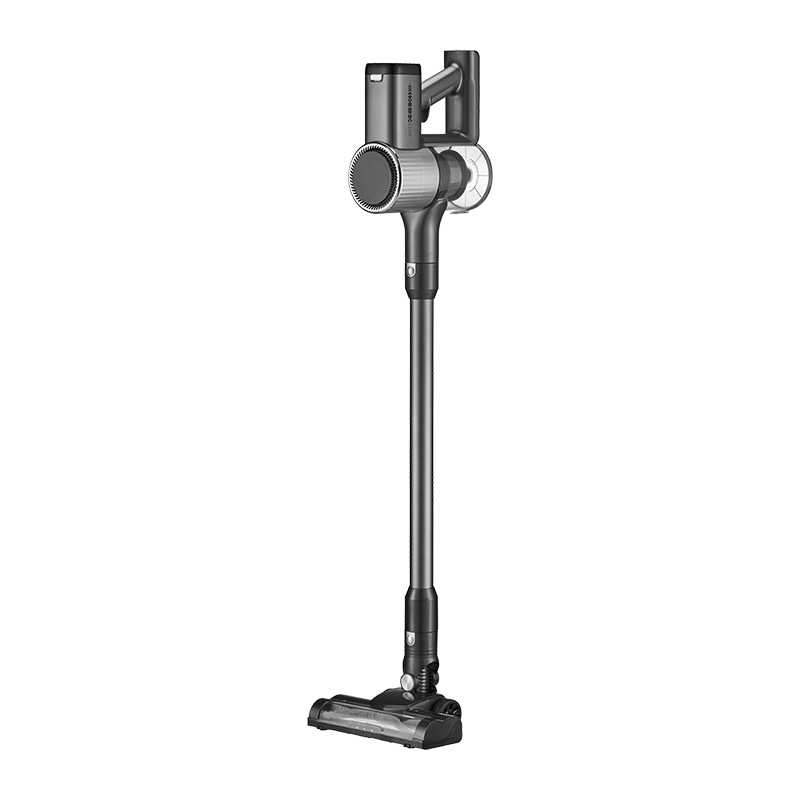
 Aspirateur DY-809A avec nettoyage vertical sans fil ultra léger et efficace
 Aspirateur ultra léger sans fil multifonctionnel tout-en-un DY-807A
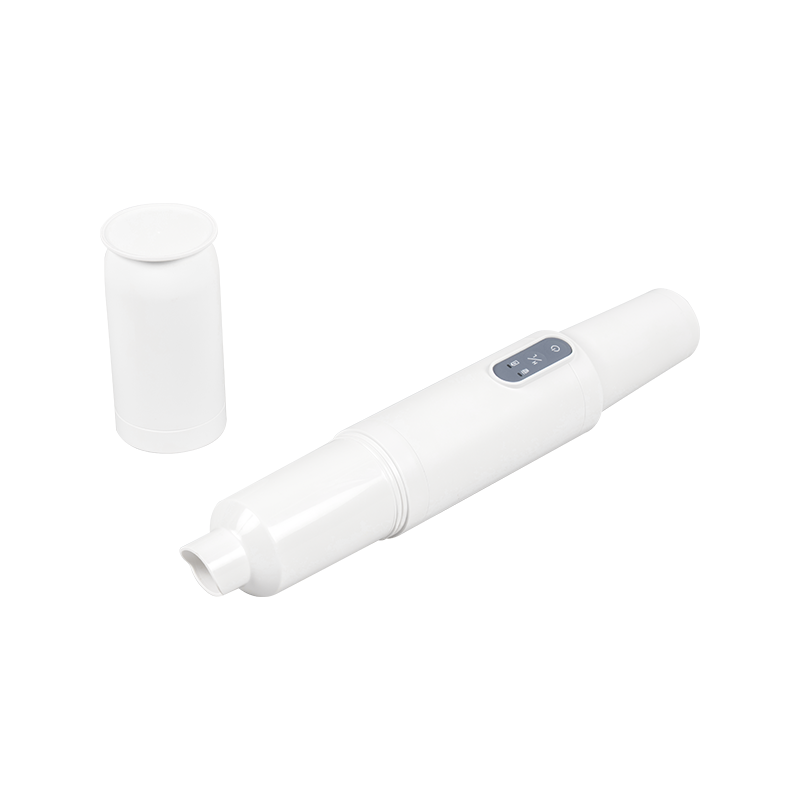 Aspirateur portable personnalisé DY-103 avec moteur sans balais, grande capacité et nettoyage pratique des coins
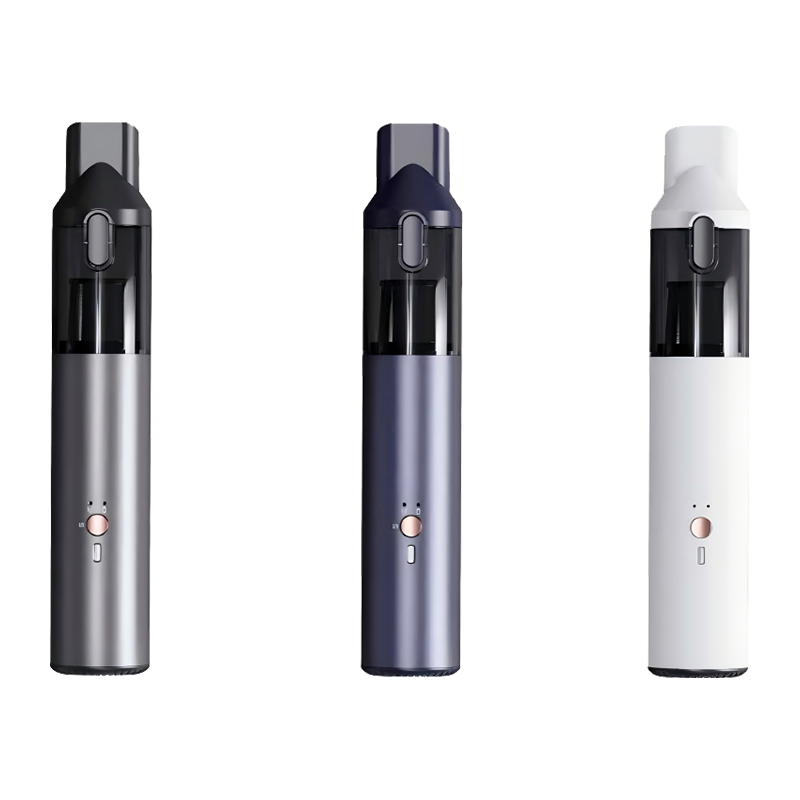 Aspirateur de voiture rechargeable à faible consommation d'énergie et sans balais personnalisé DY-109B
 DY-109 Aspirateur de voiture portatif à faible puissance
 Aspirateur portable personnalisé DY-108 avec moteur sans balais et conception en forme de bouteille de vin
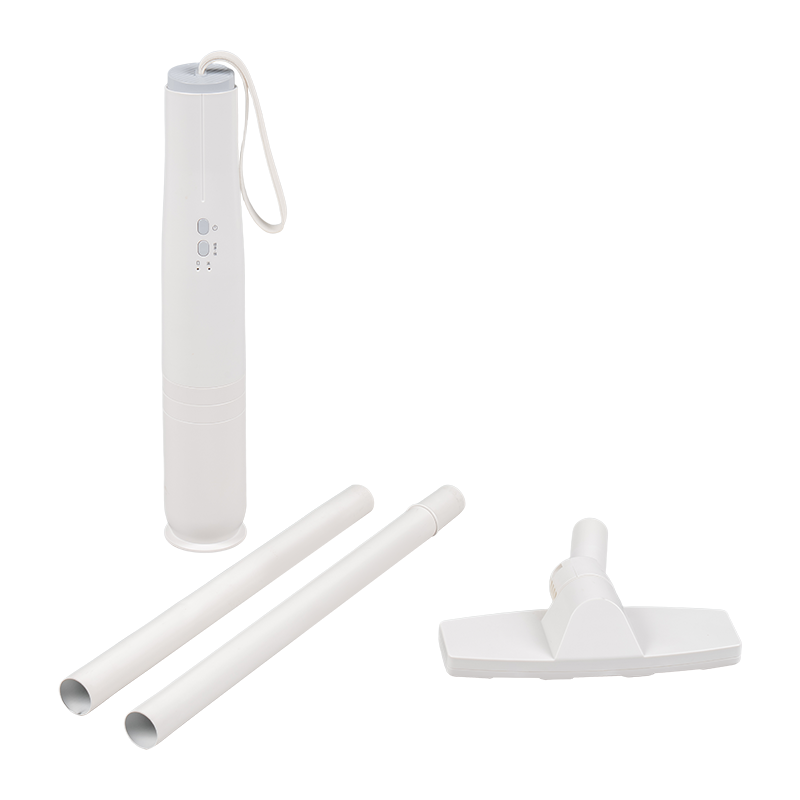 Aspirateur portable à aspiration puissante et à grande vitesse DY-105
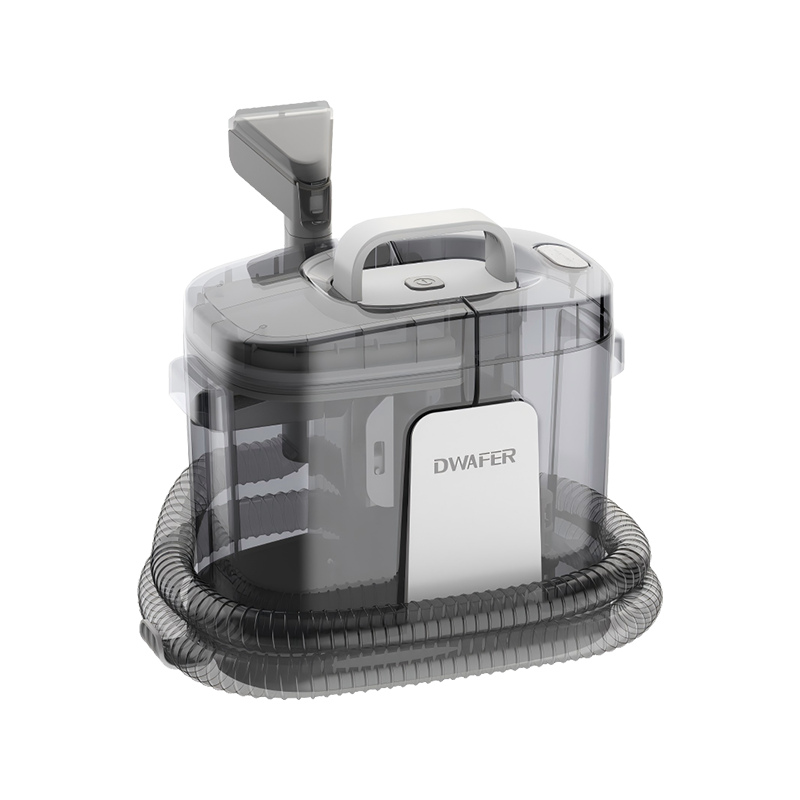 DY-516 Nouvelle arrivée Nettoyant pour tapis transparent esthétique
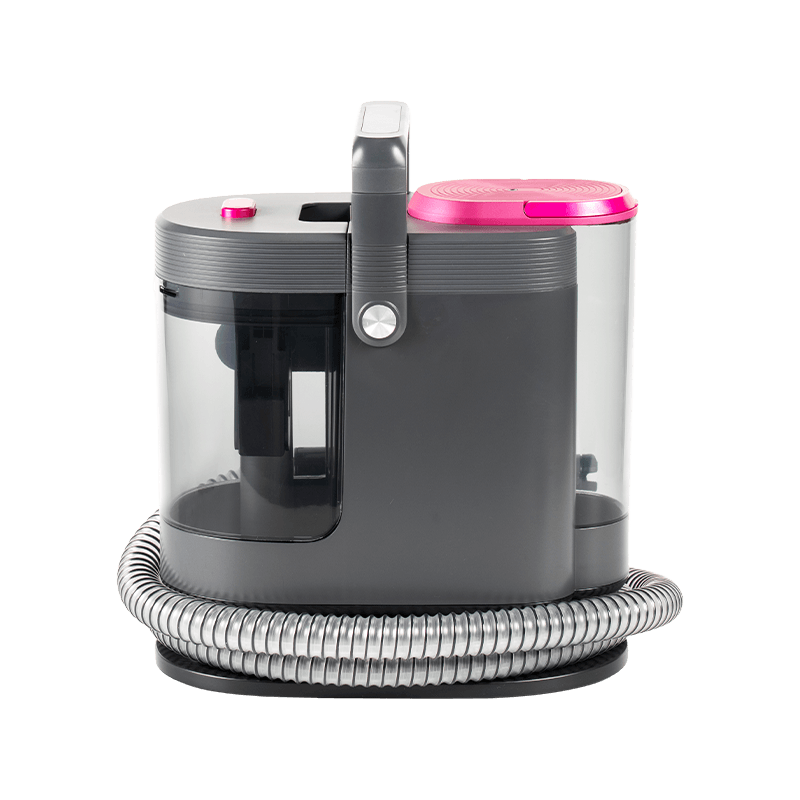 Nettoyeur à vapeur personnalisable et portable DY-508AC
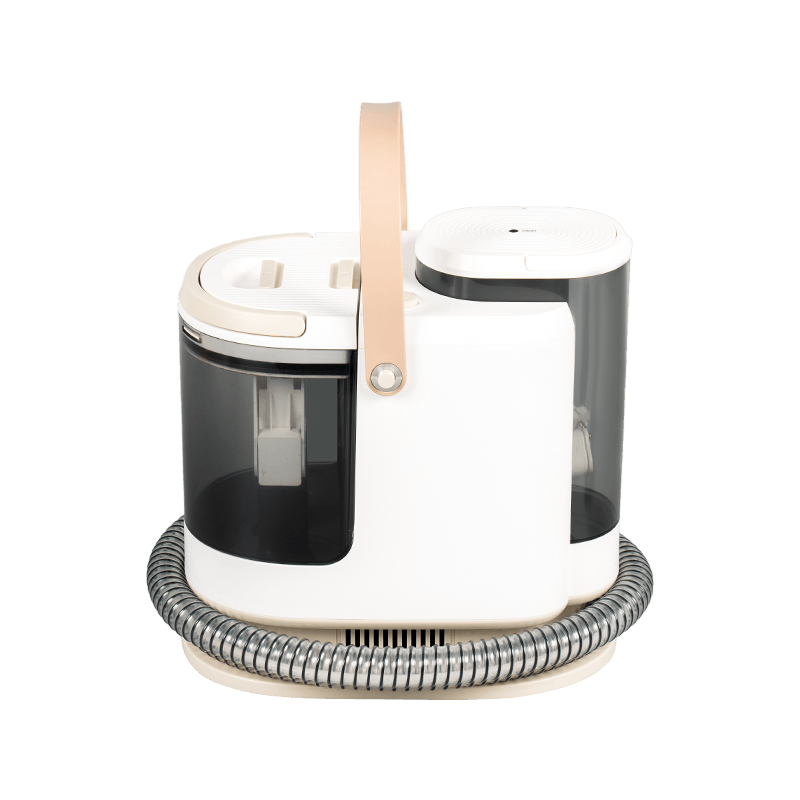 DY-507AC Nettoyeur à stérilisation par vapeur à haute temperature
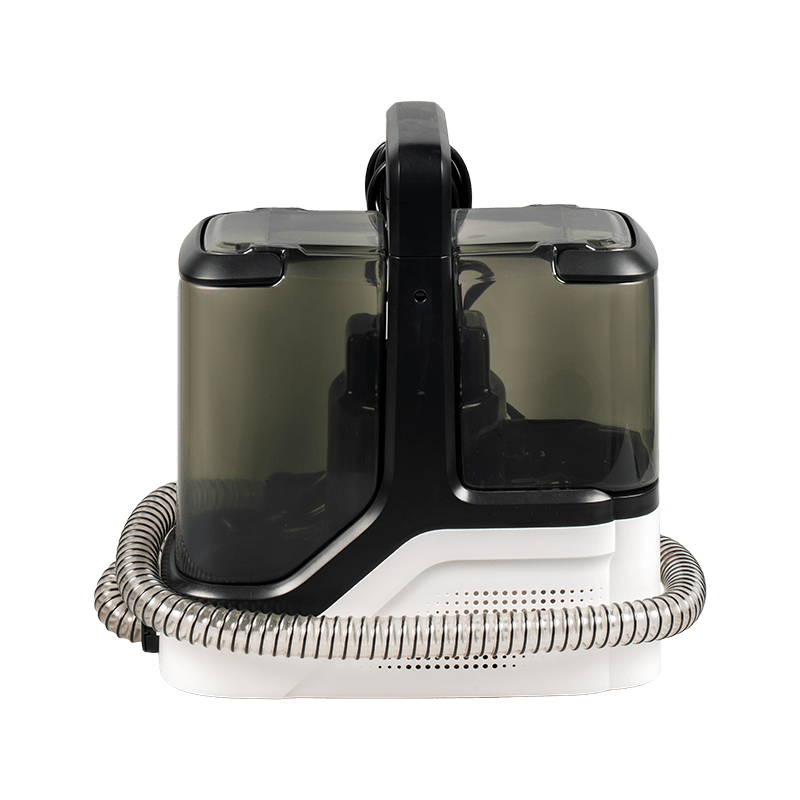 DY-510 Nettoyeur de canapés à eau froide à forte aspiration
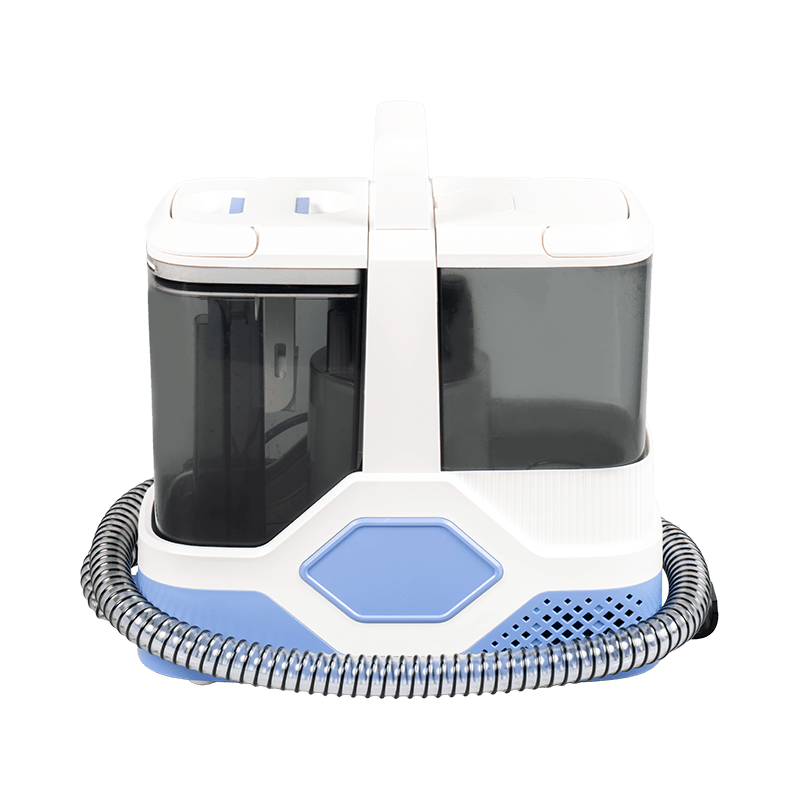 DY-511 Nettoyeur professionnel de tapis et de canapés à eau froide

 [email protected]
  +86-13736068086
  N° 2, Zone 1, Parc industriel Hongxi, Sous-district de Chunhu, District de Fenghua, Ville de Xi'an, Province du Shaanxi, Chine
  Fabricants de machines et d'appareils de nettoyage de tapis pour particuliers
 Précédent